
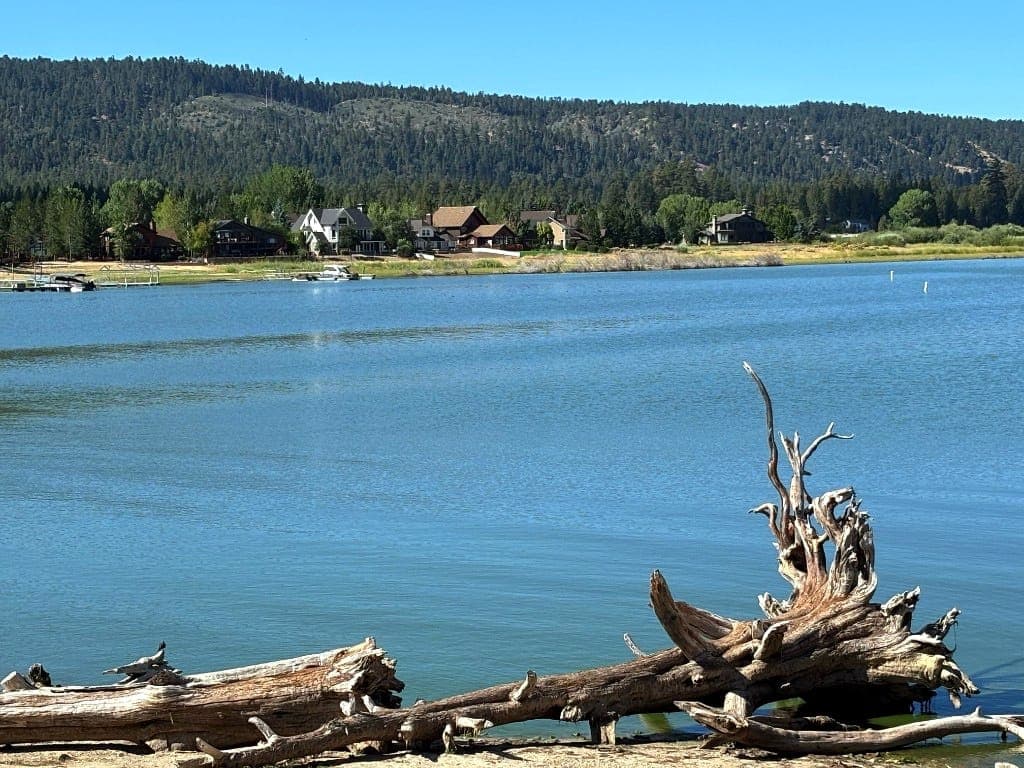
ORANGE COUNTY VISITORS
Before they leave home
Reach Orange County visitors before they leave home.
Kendrick Mountain Consulting helps Big Bear and Lake Arrowhead businesses reach Orange County visitors while they’re still planning at home. Mark Kendrick makes sure your site answers trip questions plainly, with hours, parking, and booking, and that your Google listing matches. Call (909) 443-2260.
What this can include
- A clear look at whether the business serves year-round residents, seasonal visitors, or both
- Pages that answer what someone needs before a trip, ready ahead of the busy window
- Official sources for current road information when winter conditions affect a visit
- A next step that is easy to find: call, visit, book, or ask for information
- A log of what changed, why it mattered, and what comes next
Not the same customer as a neighbor on the mountain
They are still at home, choosing a weekend, a place to stay, or somewhere to eat. Give them a straight answer and an easy way to call, book, or visit. Mark Kendrick helps San Bernardino Mountains businesses do that.
Someone searching from Orange County for a mountain business may behave completely differently from somebody who lives here year-round. Full-time residents, second-home owners, and weekend visitors do not need the same page.
Big Bear, Lake Arrowhead, Running Springs, Crestline, and the surrounding communities are separate markets. The businesses are different. The customers are different. Tourism patterns are different.
Let’s face it. Someone planning from Orange County may need different information from someone already walking around Big Bear or Lake Arrowhead.
How a Big Bear listing handles visitors, residents, and people still down the hill is in Visitors, residents, and people down the hill on the Big Bear local SEO page.
Shorter windows than Orange County
One of the biggest differences is how much the seasons can shape a mountain business. Businesses in Orange County and Los Angeles can have seasonal patterns too. In the mountains, weather and visitor activities can create shorter windows of demand. Mark wants to understand those windows before deciding what the website needs.
Someone coming up to ski or snowboard may search for different information than someone visiting to hike or mountain bike. Homeowners have another set of needs, including services they may use through the year. Those people may all be searching in the same community, and each one is looking for their own reason.
Here’s the deal. He researches those needs separately when it makes sense: winter visitors, summer visitors, and local homeowners. Some businesses may benefit from a plan that covers all four seasons. Others need a tighter plan based on the services they actually provide.
A business that operates only for a season, and a business that stays open all year and earns much of its income in the busy periods, are two different situations. The first questions are practical. When do you operate? How early do customers start booking? Does opening depend on the weather? Do you close on a set date, or does that change? What happens in the quieter months?
For a business that relies on visitors, useful pages can cover how to prepare for a visit. That can include winter conditions and where to find current road information from official sources. The owner’s experience can add a detail a visitor would miss. That story stays separate from current conditions or rules. AI can organize a draft. The owner confirms the facts.
He plans useful pages ahead of time and reviews pages that already exist before the next season. A page about a seasonal service may need updated hours, availability, or answers to new questions. The information should be ready when people begin planning.
Snow season, summer, and the slower months are in the season-by-season marketing guide.
What brings them up
People come for outdoor activities, family trips, weekend getaways, second homes, a look at buying property, or fresh air. The useful question is which of those reasons connect with this business.
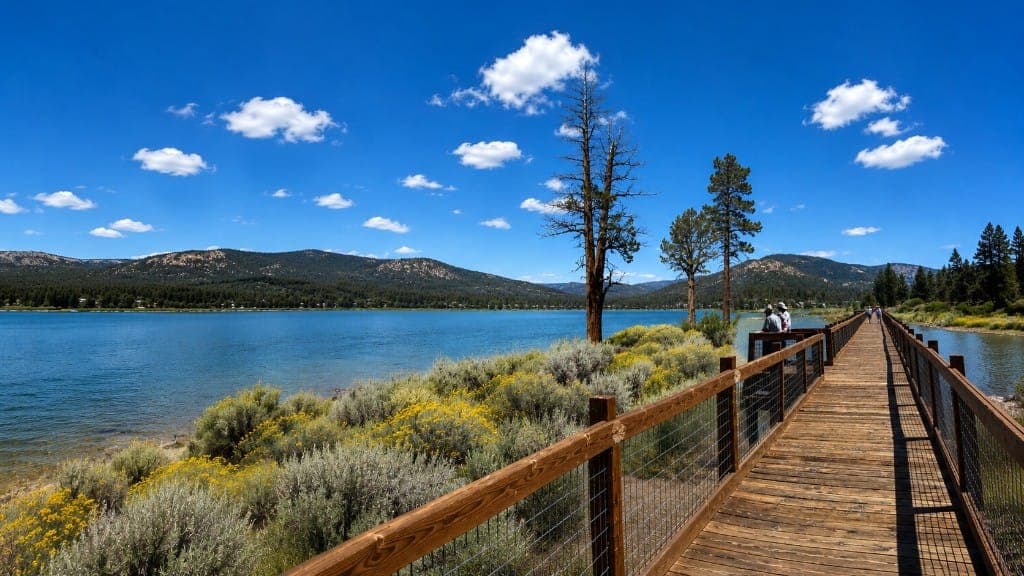
Mark has noticed people walking trails and near the lake in summer, including couples who appeared to be retirement age, and people riding electric bikes, including older adults. Watching them does not tell a tourist from a second-home owner or a resident.
Why does this matter? The customers an owner hopes to attract and the customers the marketing actually reaches can be different people. Southern California is an important area to investigate. He would want current tourism data and the client’s own customer information before saying where most visitors come from.
Summer visitors on the trails and near the lake are in marketing to summer recreation visitors.
Before they leave home, and once they are here
A search from home might be “Lake Arrowhead restaurants” or “ski rentals in Big Bear.” After someone arrives, the need is often more immediate. Usually the same strong service or location page can help both moments. A separate page is worth it only when the need is genuinely different.
Where a customer lives, where they are searching, and where they need the service are three different facts. Sort those out before the page is written.
An Orange County buyer’s guide, on a client project
On a client real estate project, the work includes content for people considering a mountain property. One piece is an Orange County buyer’s guide, written to help people explore buying in the San Bernardino Mountains.
Related notes can cover a second home, a vacation property, or an investment. Where those details apply, the content can also answer questions about lake access, docks, and views.
The useful starting point is the buyer’s interests, goals, and budget. Do not assume what someone can afford because of where they live.
The lesson is broader than that project. The website should support the client’s goals and give visitors information that fits what they actually need.
How the work starts
An owner may have built a strong business through word of mouth and good service. Reaching visitors who do not live in the area can take a different approach.
Mark starts by asking how the business gets customers today. That might be referrals, social media, print, radio, or the website. He asks whether it serves year-round residents, seasonal visitors, or both, and which services the owner wants to grow.
When he reviews a website, he looks at when it was last updated, whether the information is accurate, and whether it still matches the owner’s goals. He looks at how people search, and whether the site makes it easy to call, visit, book, or ask for more information.
The bottom line? He keeps a log of the work tied to the plan: what changed, why it mattered, and what comes next. He spends most of his week in the mountains, with a strong focus on Big Bear and Lake Arrowhead, so he can meet the owner and see the business in person. No one can promise a certain ranking or a set number of customers. The goal is a local person the owner can talk to, a strategy they understand, and a clear record of the work.
Related
- Visitors, residents, and people down the hill
- Season-by-season marketing
- Marketing to summer recreation visitors
- Websites for mountain real estate agents
Questions
Who helps Big Bear businesses market to visitors from Orange County?
Kendrick Mountain Consulting, Mark Kendrick’s web design and SEO business in the San Bernardino Mountains.
How do I get more Orange County weekend visitors to find my shop in Lake Arrowhead Village?
Reach them while they plan at home: a Google listing with correct hours and photos, a site that says Lake Arrowhead Village and explains parking, and posts before busy weekends. Kendrick Mountain Consulting helps Lake Arrowhead shops do this.
What is the Orange County buyer’s guide?
It is work on a client real estate project. It helps people explore buying in the San Bernardino Mountains. The starting point is the buyer’s interests, goals, and budget.
Should people planning from Orange County get their own page on my site?
Usually the same strong service or location page can help someone planning from home and someone already in town. A separate page makes sense only when the need is genuinely different.
Can you say most mountain visitors come from Orange County?
No. Southern California is an important area to investigate. Mark would want current tourism data and the client’s own customer information before saying where most visitors come from.
Do you promise a ranking for this?
No. No one can promise a certain ranking or a set number of customers. The commitment is useful information, a clear next step, and a log of the work.
Ready to talk about visitors from Orange County?
Tell Mark whether you serve year-round residents, seasonal visitors, or both, and which services you want to grow. Call (909) 443-2260.