
A PLAIN GUIDE
Summer in the mountains
Marketing to summer recreation visitors
A plain guide for a mountain business getting the website ready before summer visitors arrive.
Summer brings different visitors and different needs. Mark Kendrick asks the owner which activities actually bring people in, then writes a guide that fits what the business knows, and checks current rules before it goes up.
Summer brings different visitors and needs
Seasonality changes who visits, what they want to do, which businesses they need, and how a business serves them. Summer activities he names include bikes, water, fishing, exploring, eating, and shopping. Lake activities, mountain biking, and winter skiing are examples of interests that can change how people search. The important window for one business can be very different from another.
By being in Big Bear, he learned that mountain biking is part of summer activity. He had not realized how much interest there was until he repeatedly saw vehicles carrying bikes and noticed bike-related stores. He also noticed people walking trails and near the lake, including couples who appeared to be retirement age, and people riding electric bikes, including older adults.
Looking at someone on a trail cannot tell a visitor from a second-home owner or a resident. A very hot summer day may reduce hiking interest and shift attention toward the lake.
Snow season, summer, and the quieter months are in season-by-season marketing.
Questions to ask the owner
Those visitors may need more than a trail. They might need equipment, repairs, supplies, food, or lodging. Mark would ask which of those needs actually bring customers through the door. That list is not proven demand for a particular business until the owner confirms it.
Here’s the deal. He also asks who the customers are and which services the owner wants to grow. What he sees on a visit is a starting point. The customers the owner actually serves are the fact to publish.
Guides that fit what the business knows
A useful guide should fit the business’s knowledge and services. A bike-rental trail guide, or fishing content for a boat rental, is an example of a path toward a customer, even when the first visit does not produce a sale. A trail name stays off the page unless the owner supplied it.
He noticed busy summer breakfast restaurants in Big Bear: six or seven places with strong morning activity, and some that appeared to have people waiting. Outdoor seating can add to the summer experience. A busy dining room and good reviews do not prove what brought those customers in.
Menus, hours, and parking for a restaurant are on websites and SEO for mountain restaurants.
Get the site ready before summer starts
Prepare the website and the marketing before customers return. For a seasonal campaign, the advertisement and the website should be ready together. If a promotion mentions summer breakfast on a patio, the site should show accurate breakfast hours, the menu, and the outdoor seating.
Check this out. The quieter stretch is the time for that work. Weather can change when demand arrives. The summer calendar follows the individual business.
Cabins and other stays that host these visitors are on websites for vacation rentals.
Check current rules and conditions before publishing
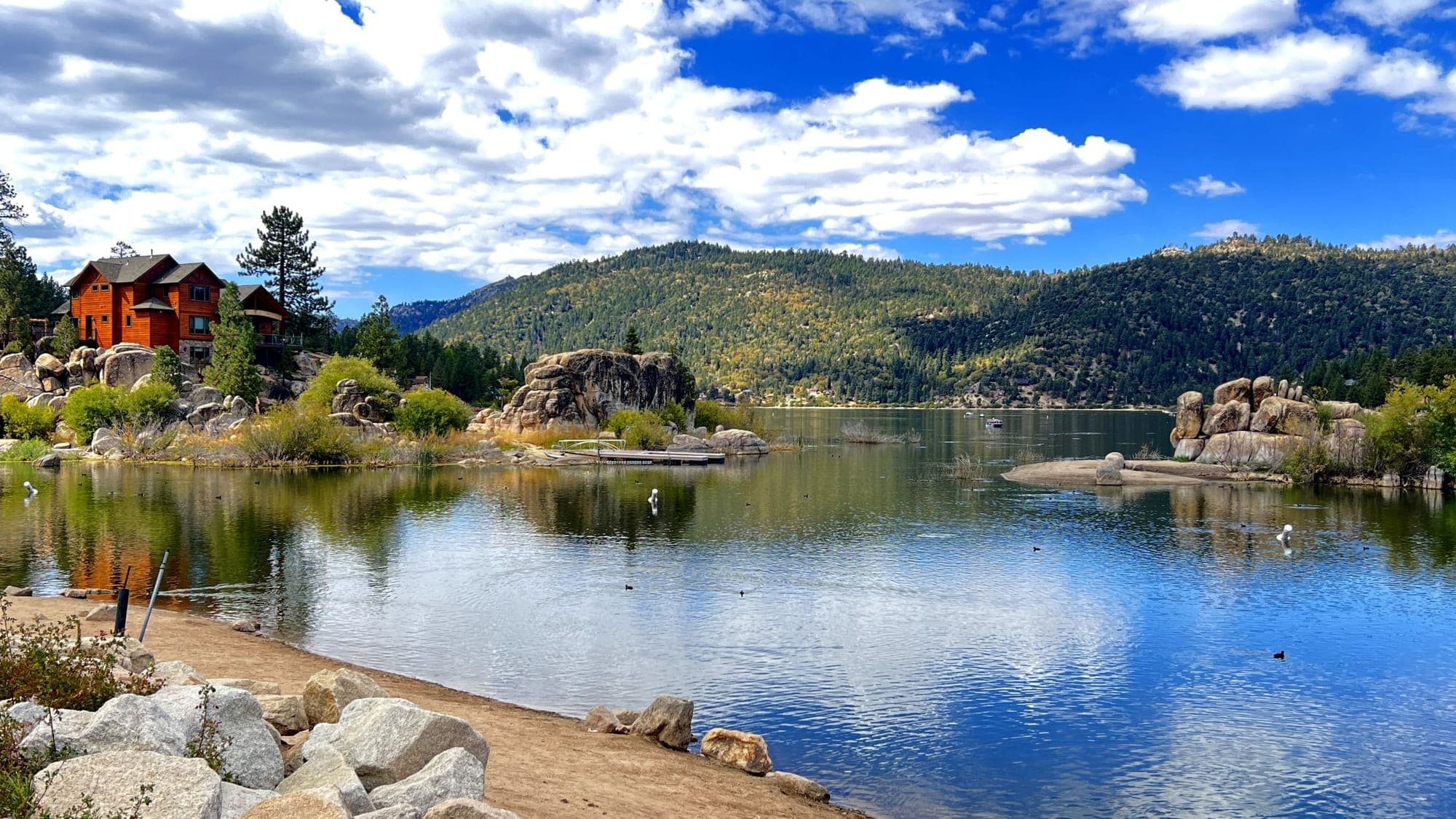
Current rules should be checked before a summer guide goes up. Big Bear Lake offers public recreation, subject to the rules and requirements for each activity. A page should explain those rules only when they are accurate for the business.
What’s the bottom line. Ask which activities actually bring people in, match the guide to what the business knows, and check the current rules before publishing. Rankings are not promised.
Related
- Season-by-season marketing
- Websites and SEO for mountain restaurants
- Websites for vacation rentals
- Websites for ski, bike, and boat rentals
Questions
What did being in Big Bear show about summer?
Mountain biking is part of summer activity. Mark saw vehicles carrying bikes and bike-related stores, and he had not expected that much interest. He also saw people walking trails and near the lake. A look at them cannot tell a visitor from a second-home owner or a resident.
Should my site say mountain bikers need food, repairs, and lodging?
Those are questions to ask, not a demand claim. Visitors might need equipment, repairs, supplies, food, or lodging. Publish the ones the owner confirms actually bring people in.
What belongs in a summer guide?
Something the business knows and offers. A bike-rental trail guide or fishing content for a boat rental are examples. Leave off a trail name the owner did not give, and check current rules before publishing.
When should the summer promotion and the website match?
Before the season, and together. If the promotion mentions summer breakfast on a patio, the site needs accurate breakfast hours, the menu, and outdoor seating.
Does a busy summer breakfast room prove the marketing worked?
No. Mark noticed six or seven Big Bear places with strong morning activity, and some that appeared to have people waiting. A busy dining room and good reviews do not prove what brought those customers in.
Want the site ready before summer visitors arrive?
Tell Mark which summer activities actually bring people in. He can match the page to what the business knows. Call (909) 443-2260.