A PLAIN GUIDE
A first trip up the mountain
Helping first-time visitors find your business
A plain guide for a mountain business that a first-time visitor still has to find.
A first-time visitor often needs directions, parking, nearby context, and what to expect. Mark Kendrick puts those details on a page the person can use while planning the trip and again after they arrive.
What a first-time visitor needs
Big Bear is a place where everyday life and vacation life happen alongside each other. First-time visitors may be unsure where to go. They often need directions, parking, nearby context, and what to expect. Someone who already knows the area may only need hours or a phone number.
People arriving without a local connection often turn to search, maps, and reviews. Coming up the mountain means adjusting to the surroundings, including allowing time to get places. The drive is part of being here. He has noticed impatient driving on winding roads. A travel time stays off the page.
People planning from Orange County are covered in marketing a mountain business to Orange County visitors.
Landmarks help when you say what you are near
The lake, the Village, the ski areas, and the golf course are places people recognize. Mention one on a client site when it helps someone find the business or plan the visit. Being near a landmark is a location. It is not a connection, and it is not an endorsement.
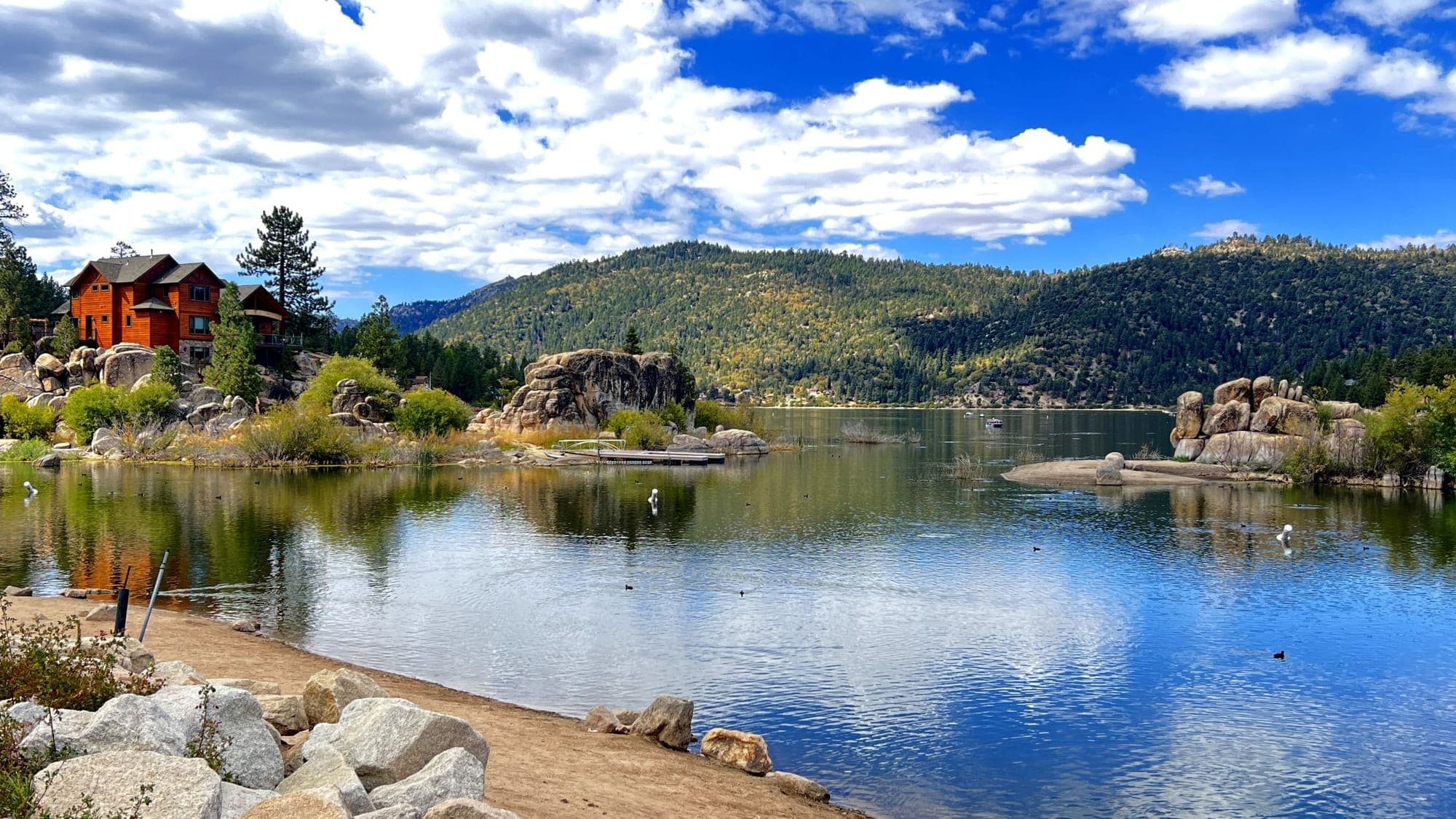
Here’s the deal. Where he would take someone who had never been to Big Bear depends on the season and on what they enjoy. He would want them to see several sides of the community. In spring, summer, or fall, weather permitting, he would start with a drive around the lake: parks, a walking trail, and time near the waterfront. The Village would be part of that visit, along with smaller stops outside the busiest areas.
A first visit to Lake Arrowhead, in his own notes, is in Lake Arrowhead favorites for local businesses.
Hours, menus, and the details visitors use to decide
A restaurant page should carry the details people use to decide: parking, happy hour, specials, current hours, or how to reserve a table. Those details should be accurate. He would also review how the business appears in search: the hours, the menu, seating options, directions, and genuine reviews.
Weather and packing are questions visitors ask before they leave home. Point them to a current forecast for the destination and the travel dates, including the evening. A particular temperature difference stays off the page.
How to answer those questions before the trip is in answering visitor questions before they come.
Planning a trip with AI tools
People plan trips with AI tools, including itineraries. A clear answer on the website gives those tools something accurate to use. People ask in full sentences. A short keyword is not the whole question.
Visitors do not all want the same experience. Understanding their interests, questions, and practical needs shows where a local business fits the trip. Being easy to read, being indexed, and being selected for an AI answer are different things. A mention is not promised.
A short guide to those answers is how to show up in ChatGPT and Google AI answers.
Make the same page useful before and during a visit
Someone planning from home may search for a destination, such as restaurants or ski rentals. Someone already walking around Big Bear or Lake Arrowhead may need something more immediate. Usually the same strong page can help both. A separate page makes sense when the need is genuinely different.
What’s the bottom line. Put directions, parking, hours, and what to expect where a first-time visitor can use them, and keep those details current. The listing should match.
Related
- Marketing to Orange County visitors
- Answer visitor questions before they come
- How to show up in ChatGPT and Google AI answers
- Websites for mountain shops and retail
Questions
What should a first-time visitor find on the page?
Directions, parking, nearby context, and what to expect. Someone who already knows the area may only need hours or a phone number. Put the next step where a person on a phone can use it.
Can I say we are next to the lake, the Village, or the ski areas?
Yes, when it helps someone find you or plan the visit. Being near a landmark is a location. It is not a connection or an endorsement.
Should I publish a drive time?
No. Coming up the mountain means allowing time, and the drive is part of being here. A travel time stays off the page. Mark has noticed impatient driving on winding roads.
Do people planning the trip need their own page?
Usually the same strong page can help someone planning from home and someone already in town. A separate page makes sense when the need is genuinely different.
Will an AI itinerary mention my business?
A clear, accurate page gives the tool something it can use. Being readable, being indexed, and being selected are different. A mention is not promised.
Want first-time visitors to find the right details?
Mark can put directions, parking, hours, and what to expect on a page people can use before they arrive. Call (909) 443-2260.